
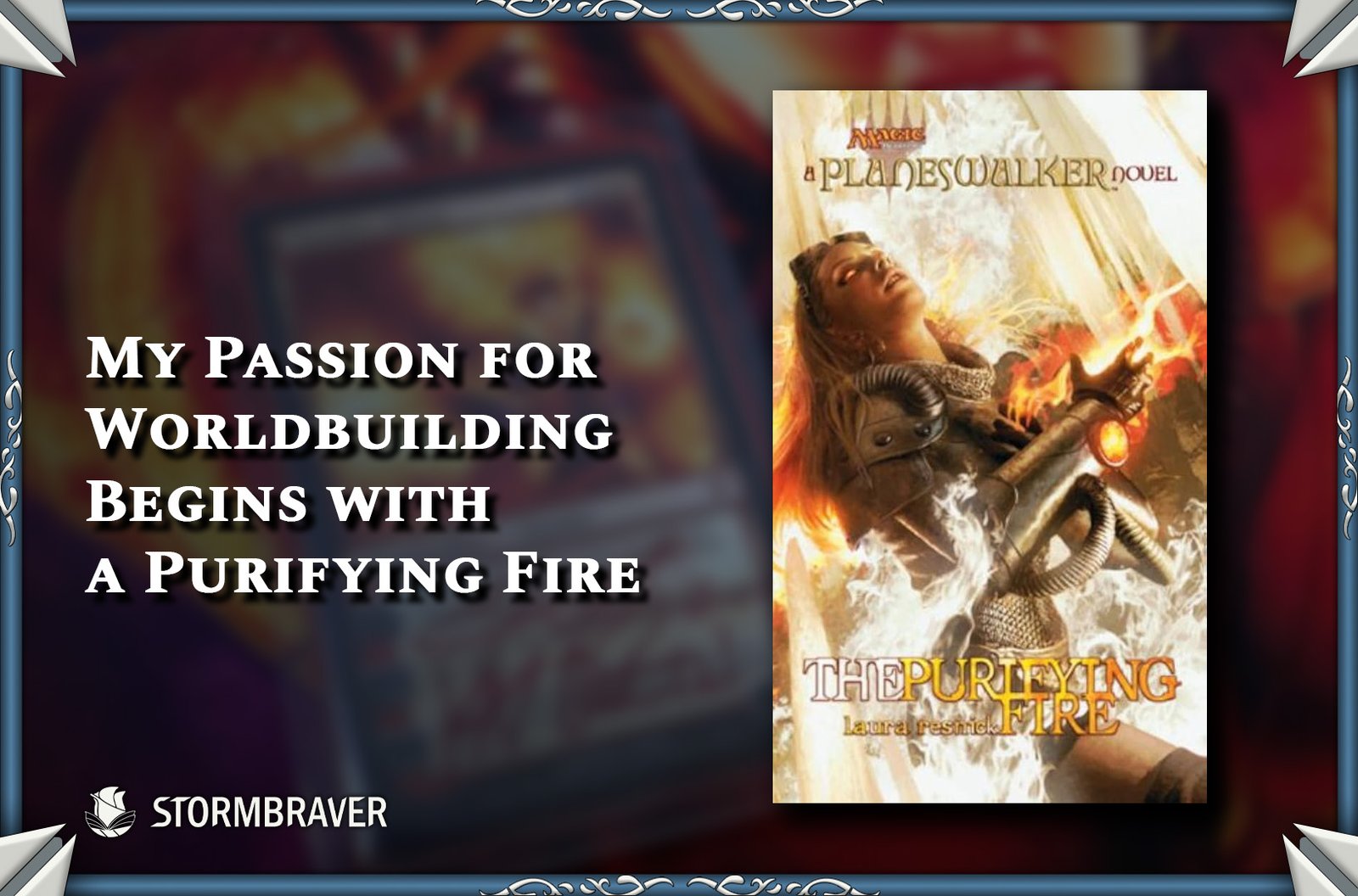
This is my first time writing a World Journal for Stormbraver’s blog entry. For those who had never read one of my journal entries before, these entries were never meant to be a review. If I cover a book, or movies, or games, in one of these entries, they are pretty much a 5-star for me. This entry covers the things that I like, and how they have inspired me to design my games and write my books. Oh, and expect spoilers.
The Purifying Fire (2009)
Written by Laura Resnick
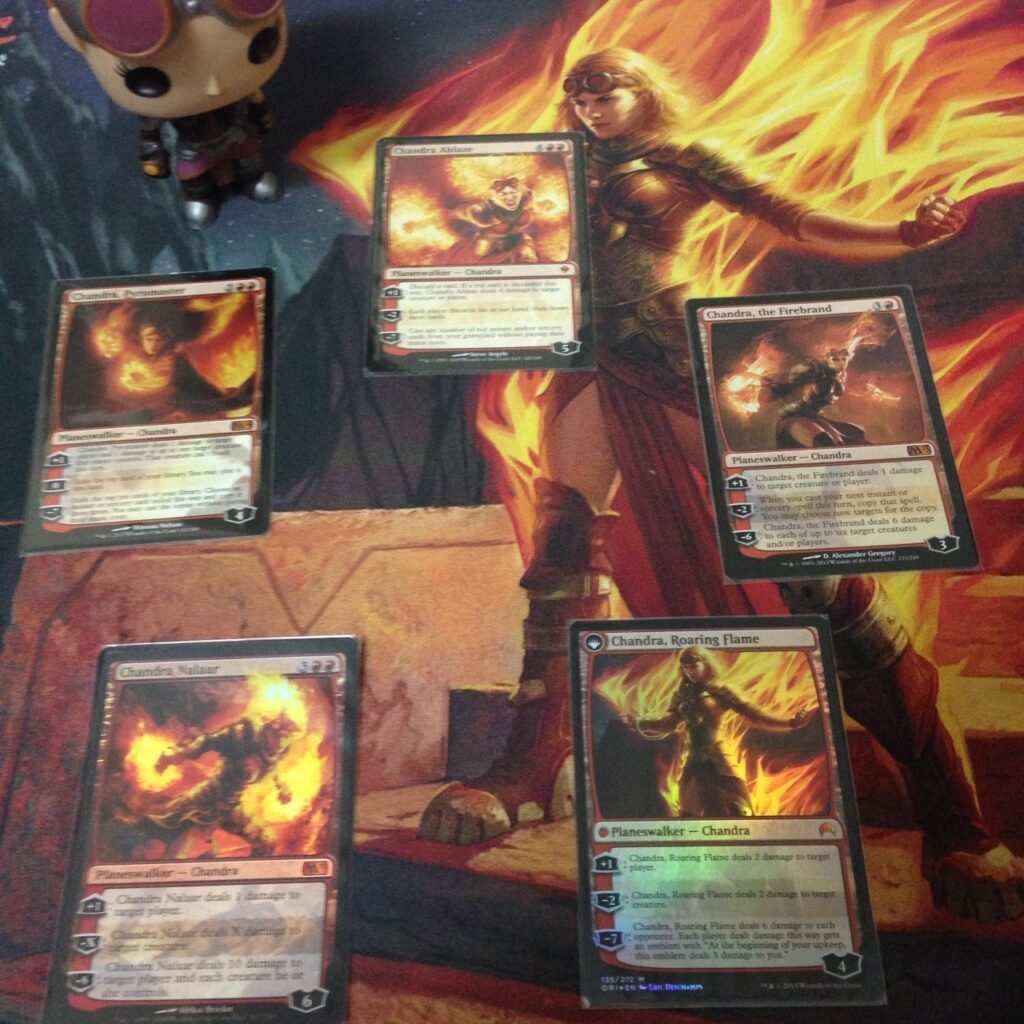
I love Chandra Nalaar. That sentence alone gives a lot of hints to tell you what this World Journal entry is all about. But before I go in depth about why I love this character, and why I love The Purifying Fire, I must first begin with my history with the game: Magic the Gathering.
My History with Magic
Magic was not the first Trading Card Game I’ve ever played in my life. That honour goes to Yu-Gi-Oh! Since my childhood, I’ve enjoyed collecting cards through Yu-Gi-Oh! Back then, I lived in Indonesia, and because of the influence of its anime and manga, Yu-Gi-Oh! was the most popular game in school.
When I moved to Singapore in 2010, I realised that nobody really plays Yu-Gi-Oh!. Those who did used Japanese cards which I wasn’t a fan of (because I can’t read Japanese). In my search for Yu-Gi-Oh! cards, I also discovered that the world of TCGs is concentrated around local communities who gather around local game stores (LGS). My search brought me to a humble LGS in Dhoby Ghaut. And it was there, I was introduced to Magic the Gathering.
/pic3492020.jpg)
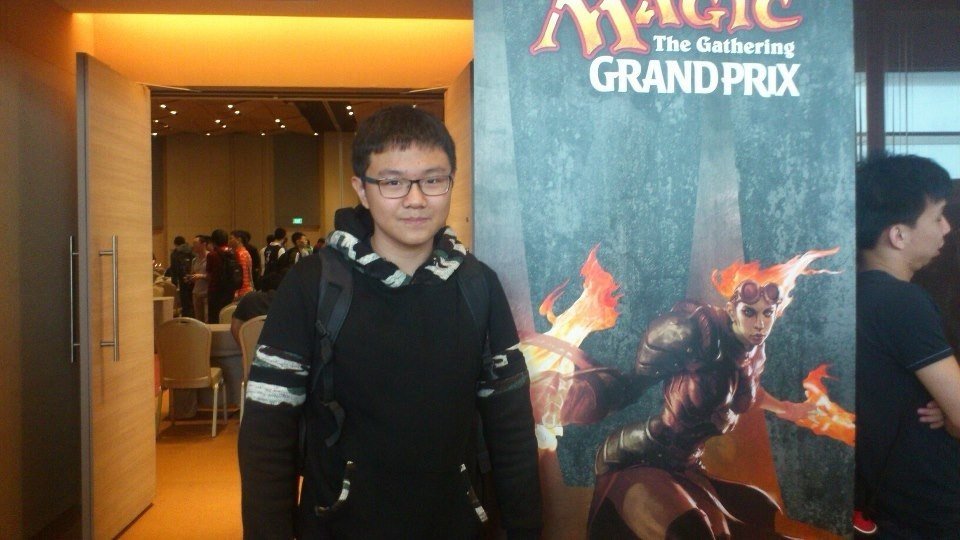
Magic interested me, especially because of its High Fantasy theme. But among the dragons, knights, goblins and angels; what truly caught my attention was the character Chandra Nalaar. To be even more specific: the illustration of ‘Chandra Ablaze’ by Steve Argyle. There was just something about Chandra’s design that was so… awesome. A pyromancer with her hair lit up. The steampunk-inspired design of her armour. Everything about her design is straight FIRE!
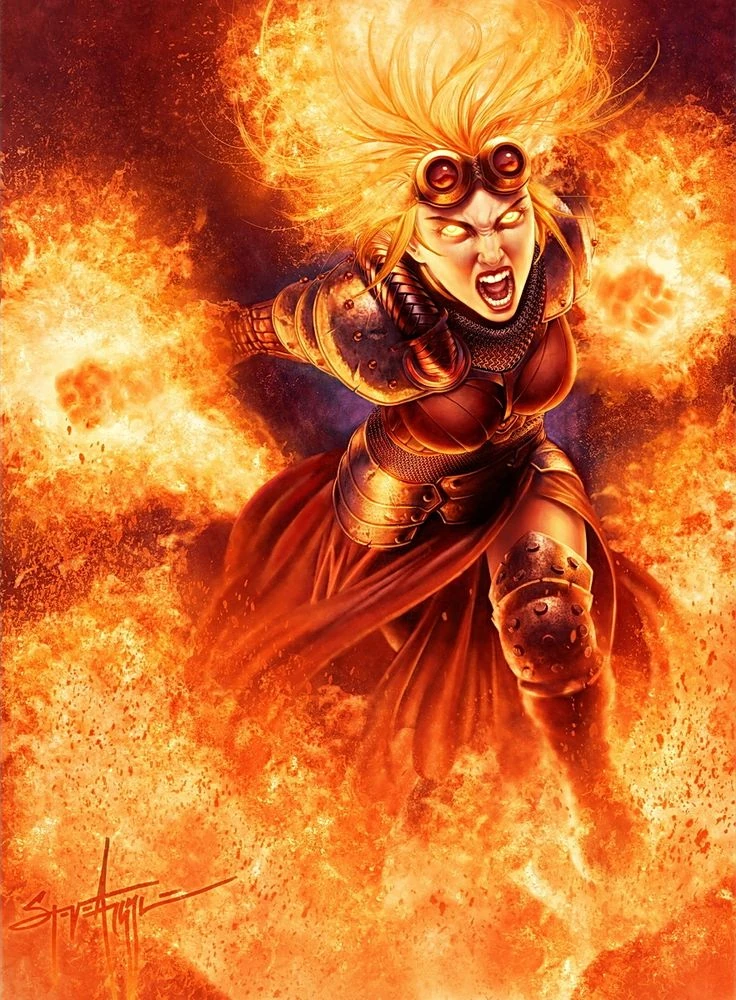
I started collecting Magic back on the original Zendikar block, and it was all due to my desire to obtain my own Chandra Ablaze (specifically) card. The naive young me, obviously, didn’t understand the low rate of getting such a card through booster packs, but I kept on cracking packs regardless. During this time, I see myself more of a collector of Magic more than a player. You see… as a young 14 year old kid, I wasn’t exactly allowed to roam in LGSes alone to play card games. So while my hunt for Chandra continues, I had never truly felt what it was like playing the game.
Becoming a Planeswalker
Skip a year later, that status of ‘just a collector’ changed when I found out that one of my friends at school collects Magic cards too! We thought: Since we’re both collectors, why don’t we just learn how to play? So we did, and Magic became one of our go-to activities during lunch breaks at school. The popularity of the game spread among a small group in our school, and it grew into a Magic clique. This happened back in the original Innistrad block.
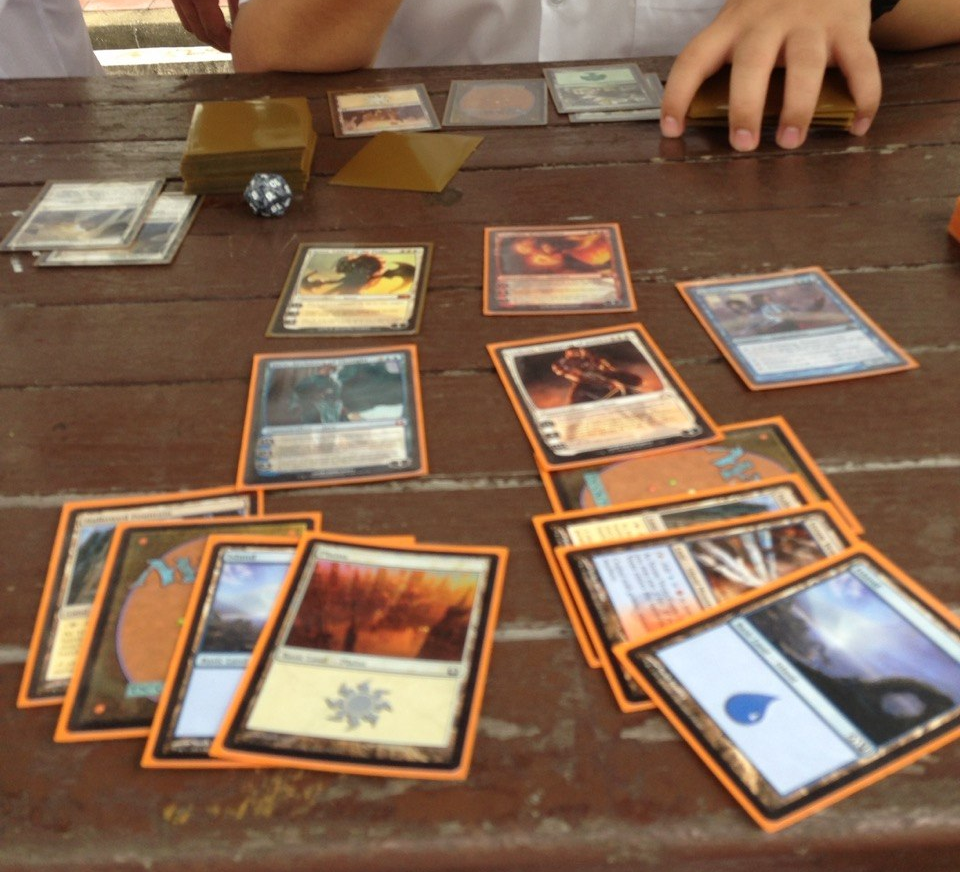
By the time Wizards of the Coast released Return to Ravnica, those people in the Magic clique had become very accustomed to the Standard Metagame—some of us were competing in the local Friday Night Magic events.
However, even during this time, I wasn’t particularly learned in the lore of Magic. I know characters besides Chandra, of course, such as: Jace Beleren, Liliana Vess, you know… the popular ones. But never had it occurred to me that there was a gigantic lore behind the game. Then one day, on a random afternoon in 2013, I just got really intrigued.
I head down to Kinokuniya’s Main Store (it’s a very famous book store that carries a huge collection of imported books) in Ngee Ann City (fun fact: that store is still open and bustling even today!). And I picked up: The Purifying Fire by Laura Resnick.
The World of Magic
The Purifying Fire by Laura Resnick is catalogued as Book 2 of a series called the ‘Planeswalker Novel’ published by Wizards of the Coast in 2009. Yes, I did not start with Book 1. I began with Book 2. Because it featured Chandra.
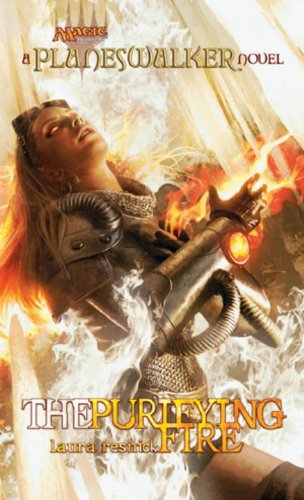
I remembered very fondly how much I enjoyed reading that book. After two years of being a part of Magic, I finally discovered a story about my favourite character. Even better, the Purifying Fire ended in a way that makes you want to know more about Chandra, and the world. I remembered very well how I closed the book, and began to question: What happened to Chandra in Zendikar? Is there more story about Gideon? Why is Mother Luti not in the cards? Are we ever going to Diraden? And the biggest one of all: Oh my god! Why does the mana colour philosophy get so deep!?
And this is exactly why I’m writing this blog entry now. I want to talk about how The Purifying Fire weaved Magic’s mana system into its story.
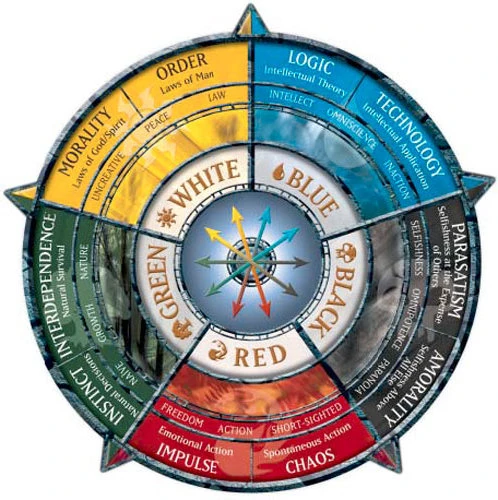
I can get even more nerdy about Magic’s color pie, but there are already so many Magic content creators out there that have covered this topic. I would suggest checking them out! So instead, I’m sticking only to how it is used in the Purifying Fire. And if you are interested to read more about the Color Pie philosophy, do check out the MTG Color Quiz!
Red vs White
If there is a genre for Purifying Fire to fall into, it’s Romantasy. And I’m not joking. This book followed a romance plot, revolving around our main character: Chandra Nalaar and the ‘not explicitly mentioned, but definitely implied’ love interest: Gideon Jura. As with any romance plot, the tension points of the story revolve around factors that prevent the two characters from embarking on their romantic relationship. These factors could be external: parents, biological differences, social status, etc and it could also be internal: differing beliefs. The Purifying Fire took Magic’s colour pie and made it the reason for this tension.

In Magic, red mana doesn’t only represent fire. It also represents values like freedom and passion. The same could be said to white mana. White doesn’t represent only light. It also represents order and law. And I believe you have an idea on where this is going.
Chandra Nalaar is a mage who wields red mana, and her philosophy revolves around freedom to choose and passion to do the things she loves. Anytime she is presented with a choice, she would most likely choose what her heart says is right. More often than not, what she feels is right, doesn’t exactly follow the code of conduct as presented by the law. The idea of following the law itself is a huge red flag for Chandra.
On the other hand, we have Gideon Jura who wields white mana and someone who quite literally works for the government. He also follows a strict moral code of never taking a life (yes, like Batman).
So… a romance story between characters with these sets of ideals? It was a powder keg waiting to explode!
The idea of red vs white is constantly brought up throughout the book. The book itself had a pretty cool structure where this idea first challenged Chandra on the external level. Later on, it moved inwards to explore the idea on a topic close to Chandra’s heart. What I love about this book is how it guides the reader to evaluate the nature of the two colours in an effective method through Chandra’s approach in solving problems.
Act 1: Against Society
We begin with Act 1 of the novel, asking the question: How would a red aligned mage who values freedom act in the face of society?
Here, we often see Chandra dealing with the problems by… well burning things. The government is spying on them? Burn an entire forest. The government sends agents to capture her? Burn the agents.
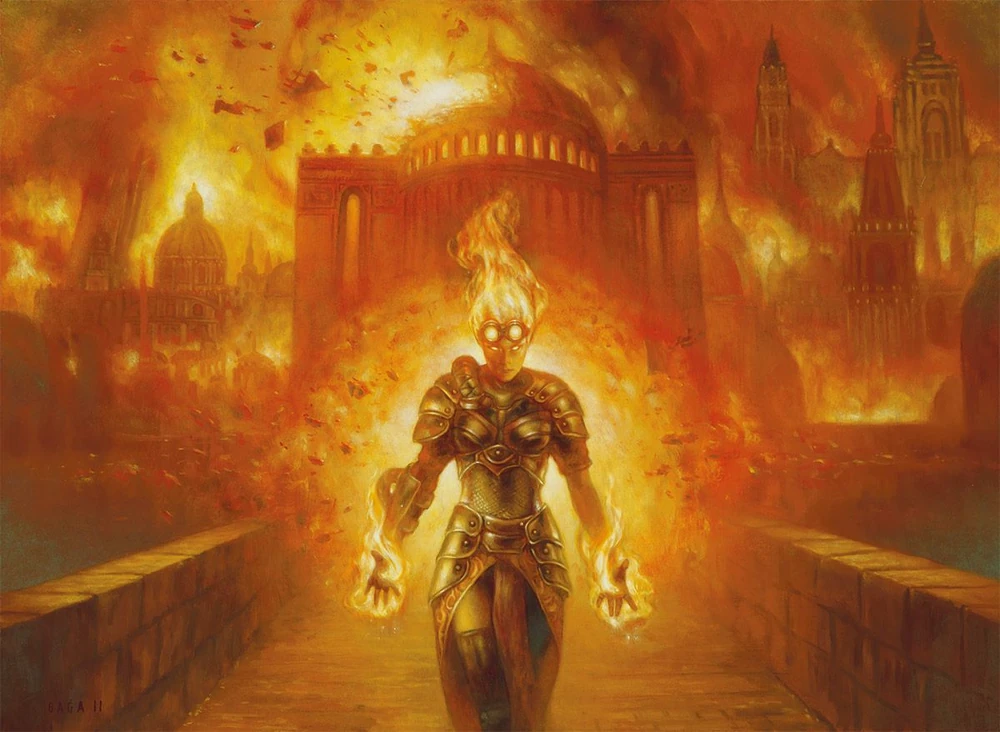
In the first arc, we are introduced to the conflict of red vs white in a very straightforward manner. Chandra wants to do as she please → The government wants to control her → Chandra burns things → Consequences.
And through the consequences, readers can evaluate themselves: who is in the right here? What I really like about this book is, while Chandra is the main character and is worthy of our support, we often find ourselves thinking, maybe what she’s doing is too much?
This creates neutrality. To highlight the conflict of red vs white, Laura understands the need for the readers not to lean heavily towards a colour. To not take sides. That way, readers like us can better evaluate the two philosophies.
Act 2: Against the People Close to You
Act 2 is where the big chunk of Romantasy lies. In this Act, the conflict of red vs white is highlighted where Chandra’s solution isn’t as simple as burning things. This is where we properly meet Gideon Jura and this is where forced proximity romance trope is really explored. Herein lies the question: How would a red agent work together with a white agent despite having a differing philosophy?
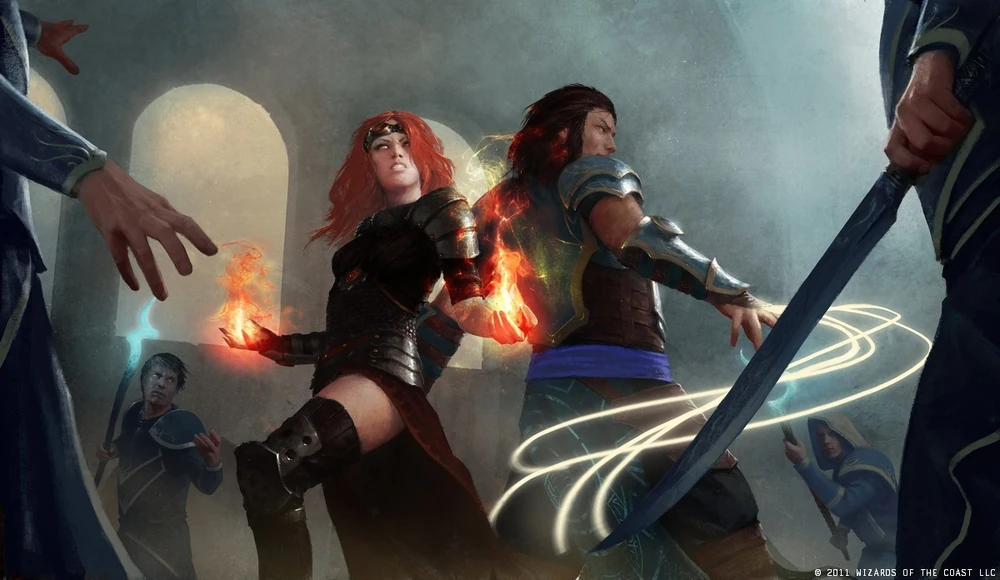
Chandra finds herself unable to simply burn Gideon out of existence. How could she? In her eyes, Gideon is a nice person who values self-sacrifice and even made that sacrifice for Chandra.(Self-sacrifice, by the way, is also part of white-mana property). This marks the very first time Chandra found a quality belonging in white that she kinda finds admirable. The topic of red vs white is now shifted, asking the question to Chandra if white is really as bad as she thought it is. Through trust, Chandra now is forced to evaluate white’s belief is really all bad?
What impressed me so much was how AMAZING the topic of red vs white is applied to a Romance story. This act is really where you get your ‘MC falling in love with love interest’, but expressed in a glorious form of MTG’s colour pie.
Act 3: Against Self
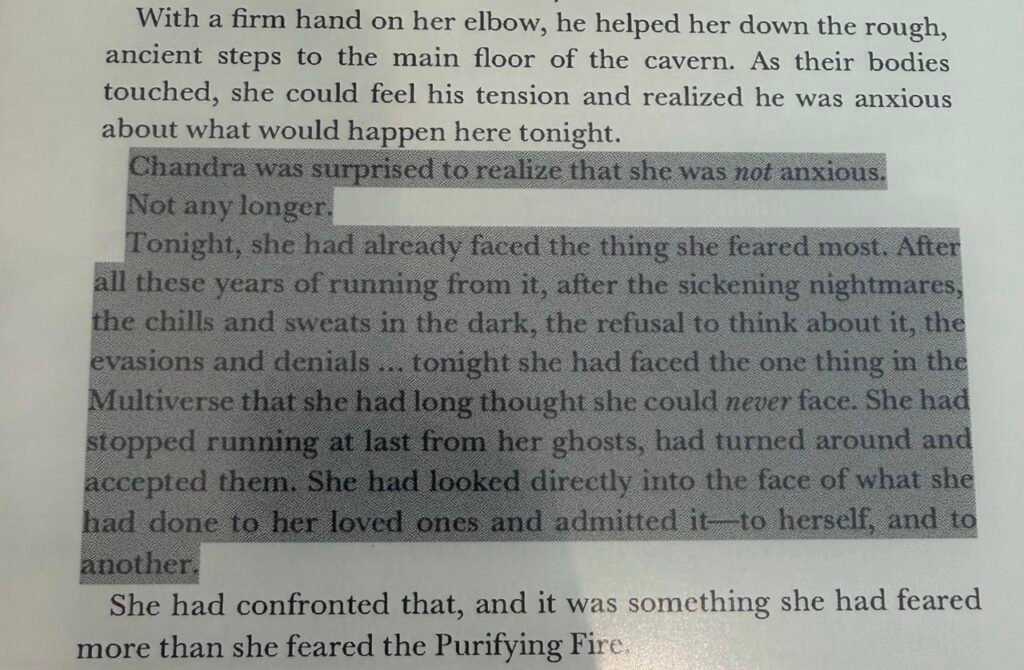
What cemented the Purifying Fire as my all time favourites is its third act. Now that readers could evaluate the nature of red vs white (from Act 1) + having Chandra able to evaluate the conflicting philosophy better through his relationship with Gideon (from Act 2), the conflict of red vs white is shifted to within Chandra herself. Herein lies the question: Has everything I did, as a red agent, been always right?
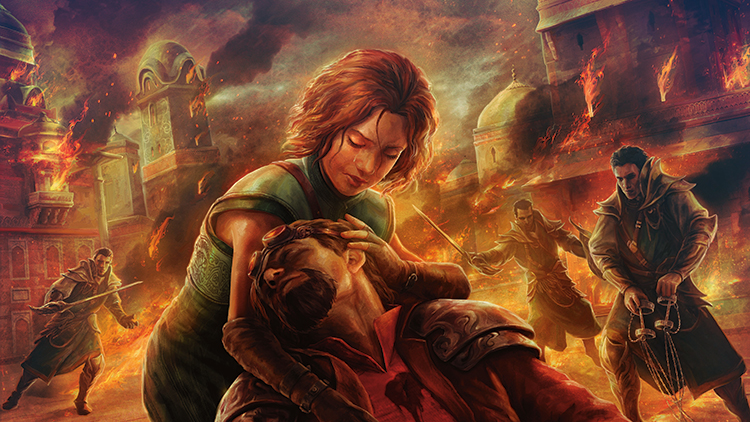
Throughout the book, you’re given a glimpse of Chandra’s past. A mistake she made in the past because she wholeheartedly aligns with her nature to prioritise freedom all the time. This mistake haunted her throughout the third act, forcing her to evaluate whether red’s belief is really all good?
Everything Chandra ever did when she leaned too much on her red aligned philosophies had led to the death of those she had loved and problems for people she cared about. At this moment, she faced the truth, and inspired by Gideon’s act of sacrifice in Act 2, she turned herself in to the authorities to protect those she cared about. I mean… isn’t that beautiful? Someone who had continuously rejected a white aligned attribute finally embraces something a white agent would do!
By the way, the same journey is travelled by Gideon as well. In the third act of the book, you’ll be able to tell that he was sort of asking the same thing: Has everything I did, as a white agent, been always right? The mirror makes a superb conclusion, especially because of how heavy this book leans on Chandra’s and Gideon’s relationship.
I really love this book because it really teaches you the nature that the way people approach a problem varies. And really, no matter how much you believe that your way is right, there are always pros and cons to it. The same to be said with everyone else.
Why this Book Inspires Me So Much?
This novel was really the very first time I have ever experienced an idea, first expressed to me as a game mechanic then used to tell a story in a novel. To a 15 years old Joshua, this is mind-blowing. In fact, the portrayal of MTG’s colour pie through Chandra’s journey in the Purifying Fire amazed me so much that until today, I still continue to use the MTG’s Colour Pie as my big reference when designing a character. This obsession with the MTG’s colour pie really tells me one thing—stories can be delivered through many mediums, even things like a game mechanic.
And honestly, that is the entire reason why I’m writing a novel AND designing games at the same time today. I’ve experienced the beauty of it.
Telling stories through game mechanics is something that I continuously pursue in my game design. Every time you pay attention to a certain mechanic or flavour text, it is a piece of information to a bigger and vast world. Purifying Fire is a big reason for that.
Postscript: Did I Find that Chandra Ablaze?
I have never cracked open a Chandra Ablaze from a Zendikar pack unfortunately. But I bought a copy, which saves me a ton of money, obviously. There is, however, a very brief but sweet continuation / ending to my hunt for Chandra Ablaze.
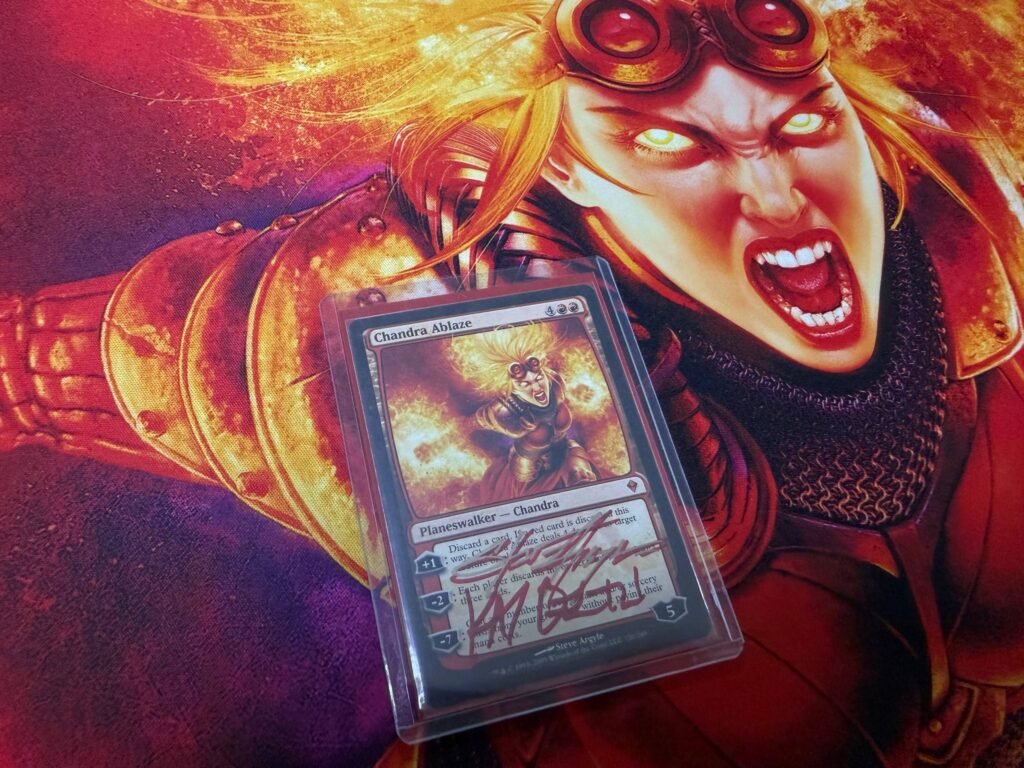
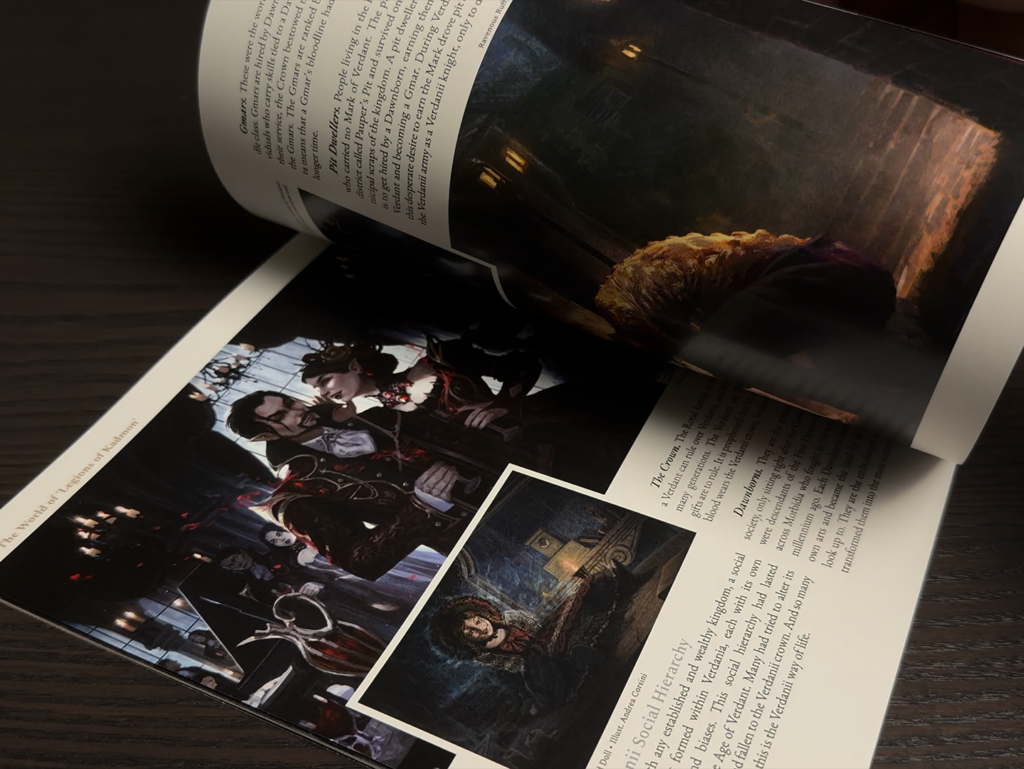
In December 2025, I had the opportunity to exhibit Legions of Kadmon in Dragonsteel Nexus. It was the first time I ever partook in a Fantasy convention ever. During this convention, I had the highest honour to meet Steve Argyle and I had the pleasure to tell him that it was his art that got me into playing, and reading the amazing lore of Magic the Gathering.
And by extension, got me into designing my game, and writing my book.

Leave a Reply