
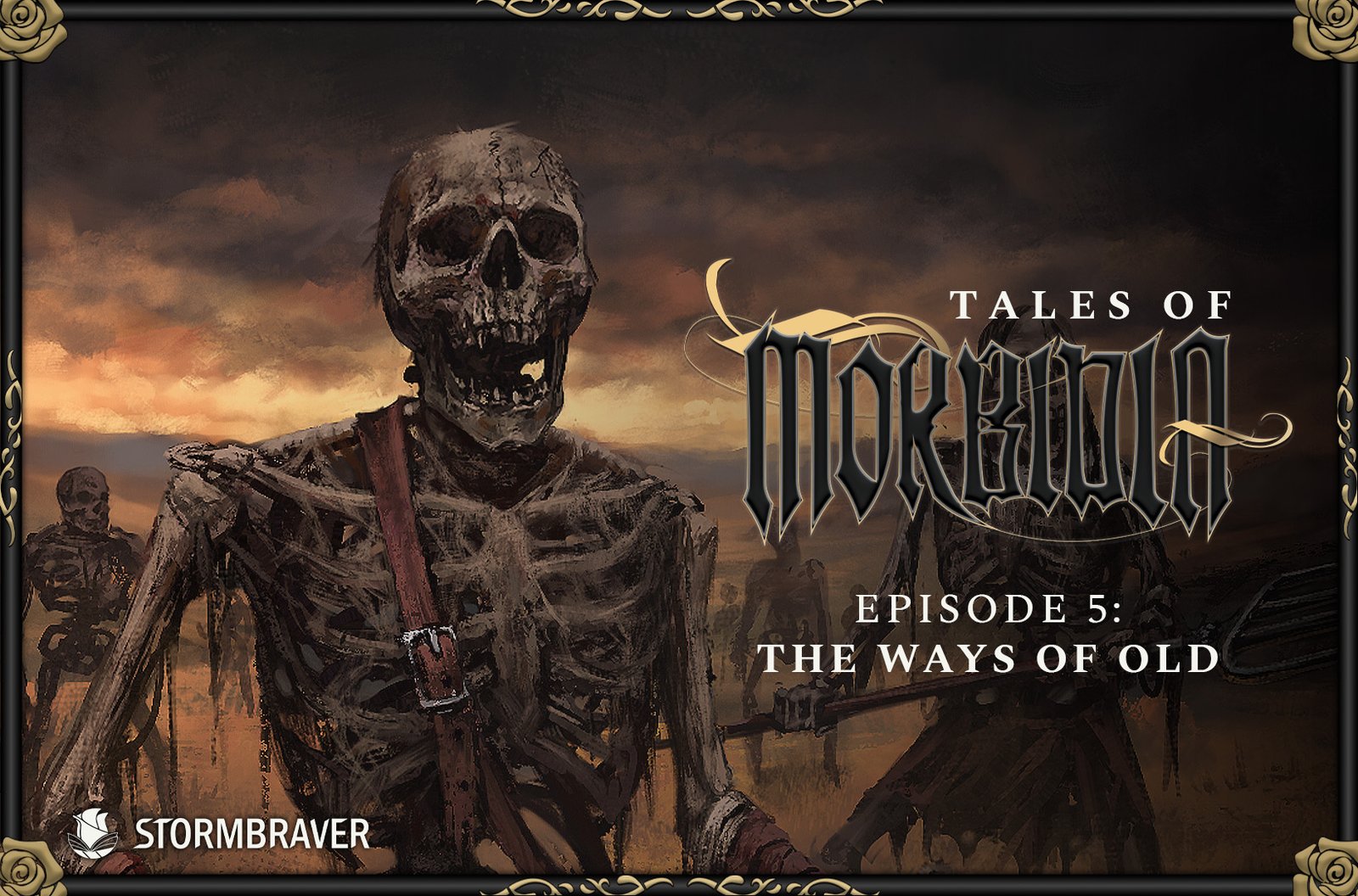
Soenito Tuangku pulled a cart filled with corpses, and the whole town gawked. Forty years—he had spent his entire life drifting through the villages and towns of the Southern Nations and their resident’s expressions never improved. They grimaced, stretching the bottom of their lips thin and flashing their dirty, yellow teeth. The bridge of their nose sank like the chasms of Nefyam Valley—cragged and ugly.
Many of the townsfolk scrambled away from his trundling cart, running from the town’s main street. Those who stayed had their hands raised and palms opened. They yelled, “Away! Away!”
From the corner of Soenito’s eyes, a man snatched a potato from atop a market’s stall and threw it at Soenito’s face. He could have ducked to spare him the embarrassment and pain, but Soenito didn’t bother.
The children pointed at him, curious. “Look ma! It’s the Angel of death you talked about!” They cried. Their mothers responded by pulling their arms, and dragging them into their homes. A terrible way to introduce the new generations of southerners to their sacred culture.
“What is a gravesire doing here?” A woman whispered to her neighbour loudly.
“I’ll tell the mayor we have a problem!” A man scurried away, probably towards the town hall, somewhere Soenito couldn’t care about.
Many southerners built their towns in the most inconvenient way. The town of Bergnam wasn’t an exception. For a gravesire like himself, Soenito only cared about two things: the town’s burial site and the river where he could wash—both of them usually come hand in hand, but located far at the back of the town. Riding through the main street was the fastest way to get there, but it wasn’t the easiest, especially when magna was at its peak and the town’s market was bustling.
Soenito pulled his grey hood close to his cheeks and lowered his head. In the past, hiding his face had mitigated the townsfolk’s rudeness. However, the later he was into his life, the townsfolk’s reaction seemed to worsen. It might be his uglier face, tarnished with wrinkles and pocks. Stupid reasons like these would be easier to accept than the truth.
And the truth was… Gravesires were a relic of the past, not welcomed in modern Southern Nations.
Soenito knew, of course; which was why he had tried to take several actions to sweeten his situation. For a start, he understood that corpses festered and stank. Not everyone liked the sight of it. So five years ago, Soenito modified his bulky cart. He gifted his trusty partner a roof made out of a Verdanii tarpaulin which cost him too many coins. The tarp covered the dead bodies, and it helped with the smell. For a while, covering the bodies turned him into a respected merchant. Many of the townsfolk greeted and saluted him, asking what goods he was selling. Their cheers were, of course, erased when a pale, rotting arm slipped through the gaps and they began to scream in terror.
His trusty partner—the cart—was becoming dilapidated. Its wheels screamed as it supported the weight of the corpses on its back. Its wood was rotting, tearing its own walls asunder. Soenito had spent much time sealing the holes of its wall with planks he had salvaged from the carcasses of other carriages along the Spine. But it was like putting a patch on a mortal wound. He expected another six moons, maybe ten if he was lucky, before his partner joined the others along the Spine.
Then what? Soenito couldn’t afford getting a new cart. It was very likely he was going to continue carrying the corpses alone on his backs. Soenito didn’t care. Worrying about the future wouldn’t get him anywhere. Be it six moons or ten, his partner was going to die. Death comes for all, and it must be respected. Part of him even welcomed it. Death would save his partner from being kicked around and spat on by the townsfolk. Death would be mercy for the old, bulky cart.
But death wasn’t ready to claim his partner. For now, all Soenito could do was to pull his partner forward through the insults made by the citizens of Bergnam. For now, all Soenito could do was to reach another burial site, and fulfill his task as a gravesire.
The burial site of Bergnam, just like any other towns in the Southern Nations, rested under its cruxtree. The cruxtree were mighty trees, growing wide more than tall. On the marshes, land emerged around the roots of the cruxtrees. The first southerners built settlements around it. They trimmed the tree’s gigantic roots, and it became wood to build their homes. In return, the southerners buried their dead under it. Their dead would feed the tree so that it could grow.
And it did.
Over decades, roots of the cruxtrees encroached far and wide, soaking up more water seeping out of Ubélvein’s children. Small settlements turned into villages, and villages turned into town. The larger and mightier the cruxtree grew, the bigger the town accompanying it. Bergnam’s tree was one of the few that had grown much. Its citizens had fed and cared for it, enough to allow Bergnam to develop into a fine potato-growing town.
Sometime since then until now, however, the citizens of Bergnam had lost their care for the tree. Soenito parked his old partner as far as the tree allowed for it. The tree’s roots had not seen trimming for almost half a century. It emerged out of the soil, writhing like one of those pythons he often encountered in the watery grave along the Spine. The pale, muted colour of its branches and exposed roots nudged at Soenito, telling the gravesire to feed it.
The lack of care. Maybe, Soenito was to blame for it. Enforcing this custom was a responsibility of the gravesires. Teaching the southerners the importance of the cruxtree and its relationship with death was supposed to be one of his core duties.
No… he had not neglected that duty. The people of the Southern Nations simply refused to listen. Soenito and his peers had lost the respect they once had, reduced to a group of odd men and women who spent most of their time hanging around corpses and skeletons.
Everything changed since the Spine came about three centuries ago. The stretch of gravel road connecting Garrenborough to Skáratfort was a sign that the southerners had less need of the cruxtrees. Why rely on ancient trees when they could build their own land using stones harvested from the mines of Nefyam Valley? The Spine transformed southerners from gatherers to merchants. The Spine had made it possible for southerners to go from one village to the other. Correction… the Spine was the entire reason why these marshlands became the Southern Nations. The Spine’s use was frequent. Caravans of goods travelled along the Spine, carrying and sharing wealth. With wealth, crime came along.
Death left homes and took to the road. Lots of murders happened along the Spine. Bandits roamed the gravel road, killing and getting killed. Corpses littered the Spine and the marshes around it. There was no one to take the bodies home. Nobody cared for those who died along the road.
Soenito’s predecessors took it upon themselves, and vowed to bring all corpses along the Spine to the nearest cruxtrees. A duty passed down to those who wished to take on the mantle of gravesires.
Soenito grabbed his shovel from the back of the cart atop the mounds of corpses. He threaded through the roots, making sure his grey coat didn’t catch on a bramble and tear. If there weren’t so many bodies to bury, Soenito would spend some time trimming some roots, but he needed all the strength he could muster to them all. He scanned the grounds around the cruxtree, searching for a patch of land; whatever small spaces available for him to bury the dead. He must be careful when looking for a resting place. Ancestral skeletons might already occupy it and the southerners of the past didn’t bother to indicate them using a gravestone.
When Soenito found an appropriate place, he embedded his shovel onto the ground to mark its location. He made his way back to his cart and picked up several corpses. On each shoulder, he carried two of them to the location he had marked. They stank, but Soenito didn’t bother. The smell of death was familiar to him, almost like a close friend. He settled the bodies by a jutting root, picked up the shovel, and began digging.
Duty drove him. He could complain about how hard the soil near the roots were. How sometimes his shovel would tangle on the root, killing his momentum. When the ground opened up, burying the bodies was not as simple as laying them in the soil and closing the hole. It was like solving a puzzle where he must arrange the limbs around the girth of the roots and made sure that the body rested well against the warm soil.
During the days of his grandfather, there used to be much more rules surrounding a burial. The gravesires didn’t want to defile the cruxtree, nor did they wish to defile the dead. Most of these rules were lost to him. There were too many to remember, and too little gravesires to enforce it among themselves. These days, what mattered was making sure that these bodies get a proper resting place.
It didn’t take long for Soenito to bury the first two bodies. As soon as he finished, Soenito trudged his way back to the cart, where about twenty more bodies awaited him. He had to finish this before magna sets, or he had to stay the night and wait for morning to come before continuing his duty. He didn’t want to stay the night in a town that rejected him.
“Nobody gave you permission to dig here.” A man’s voice greeted him on his return to the cart. The man was wearing fine clothes. An expensive Verdanii cigar jutted from his mouth. With each smoke puff, Soenito could only imagine how many days worth of potatoes he could buy to keep him full instead of buying a cigar. Three men accompanied the fine gentleman. All of them carried a pitchfork, its pointy end directed at Soenito.
“You must be the mayor of Bergnam.” Soenito wiped his hand on his cloak and offered it to the fine gentleman. “It’s a pleasure to meet you. Your cruxtree seemed strong and well-managed,” he lied.
“Keep your hands off me.” The man gagged and took a step away from Soenito. “I’m the mayor, alright. Mayor Hansol. And I do not give you permission to touch our cruxtree.”
Soenito opened his arms and smiled. “I am a gravesire, Mayor Hansol. I do not need permission to access your burial site.”
“I know what you are!” Hansol eyed Soenito from top to bottom. The familiar look of disgust were all over his face. “I didn’t know your kind still exists. I haven’t seen one for a very long time. You might be the last of the gravesires.”
The last of the gravesires. Yes, that might be true. Soenito had travelled far and wide across the Southern Nations. He hadn’t seen any of his kind. There were no carts of corpses along the Spine besides his. There were no men roaming the marshes, picking up corpses and cadavers equipped with a shovel in hand and a gentle whistling to brighten their working hours. The mayor of the places he had visited before Bergnam spoke exactly the same as Hansol. All of them thought that the gravesires had gone extinct.
Hansol cleared his throat to get Soenito’s attention. “Anyway, get your cart of corpses and get out of Bergnam. You’re not welcomed here.”
“I’m here to return these corpses home. They died—”
“On the Spine. I know, I know.” Hansol waved his hand in dismissal. “If they died on the Spine, it means they don’t belong here. Get them out or I’ll burn them.”
“Burn them!? We cannot burn them, it is not our way. We must feed them to the tree!”
“We fed our cruxtree with the corpses of our own people.” Hansol thumbed at the men beside him. Their heads bobbed in approval. “The folk who died on the Spine deserved to die on the Spine. At best, they were merchants from Nefyempat or Skáratfort. At worst, they’re criminals like the Valravns.”
Soenito waved at the pile of corpses, frowning and said, “Does it matter who they are? These people are no more. They’re dead!” Soenito stomped his way towards Hansol, and the mayor took a step back. The pitchforks crept a little closer, an arm’s length away from piercing Soenito’s face.
“Don’t come closer! We’ll kill ya!” Hansol warned.
“And what did I do, huh? Am I a criminal for burying these people? Am I!?”
Hansol pursed his trembling lips. “I’m afraid you are, Mister gravesire. I’m afraid your job is no longer as noble as you thought.”
Soenito clenched onto his shovel. His shoulders dropped, listening to the familiar heartbreaking news. He knew and still he refused to believe what these folk had to say about the gravesires. Long before his time, the Verdanii merchants who came to trade with the Southern Nations had spread lies about death. The Verdanii said that bringing corpses into settlements brought vile magic they had called maladi. They said… feeding the cruxtree would only bring more death. The southerners believed the Verdanii merchants. Why? Because they worshipped the Angels who supposedly fought death many centuries ago.
His heart ached, thinking about the gravesires who threw away their shovels, discarding their mantle. The swamps could devour those traitors for all he cared. Soenito remembered the pain of losing his cousins: Antonito, Boenito, and Juanito who stood their ground until the very end for duty, and to be burned alive by the Alawurins and the Garrenfolk.
“But we must feed the tree,” Soenito croaked. “If you don’t feed the tree, your town will sink, eaten by Ubélvein.”
Hansol looked at his men, then back at Soenito with pity in his eyes. “You know that it’s not true. It’s a mere superstition. Garrenborough, Alawurn, and Nefyempat had no cruxtree, yet their towns were among the wealthiest in the Southern Nations. They still stand strong up to this day.”
“That’s because their houses aren’t built on the wetlands you dimwit!” Soenito said.
“And what about Delfaram? The people of Delfaram had cut down their cruxtree to build more homes and buildings, still their town stood strong.”
Yes, the people of Delfaram did and it hurt Soenito thinking about it. Delfaram would be among the first to fall when the tide of annihilation came, he had no doubt about it.
“Mister gravesire,” Hansol said, “Please, leave Bergnam at once. Find somewhere else to bury those vile bodies.”
Soenito threaded past the mayor and his guards, avoiding the rusty sharp tip of the farming tools. Standing by his partner, Soenito held one of the severed hands piling on the cart’s back. They were cold. Without the soil to blanket them, Soenito imagined their ghosts shivering in a frigid night. Pity welled up in his stomach.
“These corpses are not vile, Mayor Hansol,” Soenito explained, caressing the rotting skin of the severed arm. “We must respect the dead and treat it with reverence. We must give them a place to rest. This is our custom. This is what we had adopted for more than four hundred years. It is what makes building the Spine possible.”
Hansol laughed, gasping for breath and holding on to his side. “You’re old! I’m not even talking about your age, but you’re ancient. Old tradition means nothing. In this new world, we care only for the Living and what we could do to bring forth a better future.”
Soenito picked up the arm, hugging it close to his chest. Then, he hefted the arm’s body over his shoulders. “I’m burying them. This is my duty as a gravesire. I lay the dead to rest, so that the Living could continue living.”
A vein popped on the side of Hansol’s temple. “Then, you leave me no choice, Mister gravesire.” He gestured at his guards. “Hold him.”
Without question, the guards struck him with the back of their fists. Their knuckles crashed on his cheeks, harder than the potatoes the citizens of Bergnman had thrown at him. Hands filled with corpses, Soenito had no means to defend himself. Not that he could or wanted to. His flesh had gone soft and bones had gone frail. Time was catching on to him. The softness of the wetlands cushioned his fall. The corpse he carried tumbled beside him. The severed arm rolled away and stopped by the roots of the cruxtree.
One of the guards picked Soenito up and held him in place to genuflect before the carriage of corpses. Hansol ambled towards Soenito’s carriage, his smoldering Verdanii cigar pinched between his fingers and a bottle of Verdanii wine on the other. Hansol showered Soenito’s trusty partner with wine. The vile, black drink sluiced over the corpses, flowed down and seeped into the carriage’s old bones. Hansol smirked when he tossed his cigar onto the carriage and Soenito’s partner burst aflame.
Soenito watched his last friend burn. He could summon no tears to carry his pain away. He could muster no strength to resist. The fight in him had abandoned him many years ago. He watched the flame consume. The flame which the Verdanii religion had sworn brought life upon this realm. The flame which had burned his family, his cousins—the fellow gravesires. Then, he waited for the flame to eat him too. Death came for all, and it must be respected.
The flame didn’t desire his flesh today.
The guards’ hold on him slacked as Soenito’s carriage turned into cinder. Once ash, the guards let him go. As soon as the mayor’s pyretic ritual to punish the gravesire came to an end, the guards pointed the pitchforks at him again. They entered a stance. Perhaps, the foolish citizens of Bergnam had anticipated the once-so-feared gravesire to retaliate. Perhaps, they had expected Soenito to raise his greatspear once again, decimate them, and feed them to the cruxtree. Then perhaps, in their fear of the gravesires, they could turn it into an excuse to kill an old man.
Still on his knees, Soenito Tuangku only watched.
After a minute, the mayor and his guards looked at each other, confused. Then, the tip of their pitchforks drooped to the soil.
“You’re hopeless, aren’t you?” Hansol asked, shaking his head. “Not even a word? Weren’t you once part of a sacred and great order? Didn’t you have teachings?”
“You’ve proven that my teachings have no meaning.” Soenito chuckled. “The foreigners—the Verdanii—had tainted your faith and killed our way of life.” Soenito stood up, and the pitchforks rose back up again. “The people of the marshes had decided. Like how the Verdanii merchants had mocked us many times, truly, the South is a nation of heathens.”
Soenito ambled towards the cruxtree and ran his fingers along its greying branches. “Death comes for all, and it must be respected.” He repeated his litany and turned to face Hansol once again. “For if you don’t, the realm will punish you for it. There will come a time where death comes, riding a tide of war, violence and plague. Nothing stays healthy forever, not even the Southern Nations. When that day comes, I’ll be ready to welcome death as an old friend.”
Soenito picked up his shovel once again, letting it rest on his shoulder. “You told me to leave Bergnam. I’ll leave Bergnam.” He walked past Hansol and his guards who continued to stare at him.
“And where are you going?” Hansol asked.
“Back to the Spine.”
“To collect more corpses?” Hansol shook his head. “You never learn, do you?”
“It’s not as complicated as learning, Mister Hansol.” Soenito pointed at the ground beneath the cruxtree—at the corpses of their ancestors. “This is my faith and my way of life, as it was theirs, a long time ago.” He tapped on his shovel, and it clunk twice in agreement. “I am fulfilling my duty as a gravesire. I bury the dead so that the Living could thrive. And I’ll continue to do it, until death takes me.”